Sunrise Engineering and Utah Testing and Engineering worked together to support the SR-162 and SR-262 Energy Corridor Project, a major infrastructure effort led by the Utah Department of Transportation. Through construction engineering management and comprehensive materials testing services, the combined team helped deliver a safer, more reliable corridor for southeastern Utah.
The SR-162 and SR-262 Energy Corridor Project represents a significant investment by UDOT to improve safety, resilience, and long-term performance across a key rural transportation network. These routes play an important role in supporting local communities, freight movement, and energy development across a large geographic area.
Improving a Critical Intersection
Before construction, the intersection of SR-162 and SR-262 created confusion for drivers. Skewed alignments, limited sight distance, and unclear turning movements made it especially challenging for heavy trucks and oversized energy loads. Crash risk was elevated due to higher speeds and poorly defined conflict points.
The project addressed these issues by reconstructing the intersection as a modern roundabout. This design reduces speeds, improves visibility, and creates safer, more predictable movements for all users. It also better accommodates freight and energy-related traffic while improving safety for local drivers.
A Large and Complex Effort
With a total construction cost of approximately $152 million, the project included both full reconstruction and preservation work across an extensive corridor.
Major elements included:
- 8 miles of full-depth roadway reconstruction
- Pavement preservation across 50 miles of roadway
- Shoulder flattening along 22 miles to improve safety
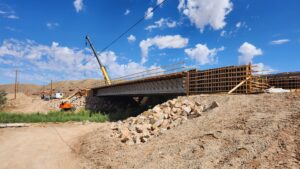
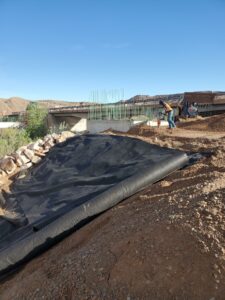
- Construction of a new bridge over McElmo Creek
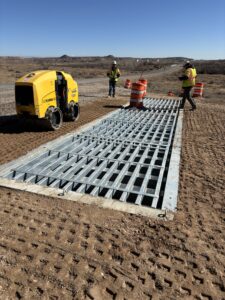
- Installation of drainage systems, utilities, and box culverts
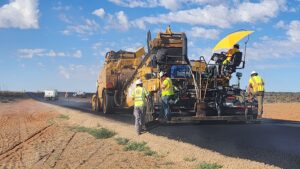
- Placement of more than 200,000 tons of asphalt
- Installation of fiber optic conduit, guardrail, fencing, and roadway features
Construction activities were spread across multiple miles at the same time. Paving, bridge work, drainage, and utility installation often occurred concurrently, requiring careful coordination and traffic control.
Navigating Challenges in the Field
Early in construction, the team identified discrepancies in design quantities across several bid items. These issues created cost pressures and required immediate coordination with UDOT and the contractor to keep the project on track.
Additional challenges included utility conflicts with Navajo Tribal Utility Authority powerlines, environmental coordination near McElmo Creek, and archaeological considerations. The project’s remote location added logistical complexity, including long material haul distances and limited staging areas.
These conditions required flexibility, strong communication, and proactive problem-solving from both engineering and materials testing teams.
Engineering Solutions that Delivered Results
Sunrise Engineering provided Construction Engineering Management services, supporting UDOT with contract administration, field engineering, and coordination throughout construction.
One key success was the team’s ability to adapt paving strategies in response to field conditions and quantity overruns. Working closely with UDOT, the contractor, and materials testing teams, Sunrise helped implement adjustments, including optimized asphalt thickness and revised paving approaches.
These decisions helped control costs while maintaining performance and meeting project specifications. Regular coordination meetings and proactive change management kept the project moving forward efficiently.
Supporting Quality Through Materials Testing
Utah Testing and Engineering played a critical role in maintaining quality across the project, supporting a materials testing program valued at approximately $4 million.
The team provided:
- Asphalt testing and compaction monitoring
- Soil classification and compaction testing
- Concrete sampling and strength testing
- Inspection of structural and roadway elements
With multiple work fronts active at once, the materials testing staff coordinated closely with contractors and engineers to keep pace with construction. High-risk activities such as paving operations, bridge pours, and culvert installations received additional oversight to ensure compliance and reduce rework.
A Strong Team Effort
Collaboration was essential to the project’s success. Sunrise Engineering, Utah Testing and Engineering, UDOT, contractors, and utility providers worked together through regular coordination meetings and ongoing communication.
One example of this teamwork was the response to quantity overruns. Engineering and materials testing teams worked side by side to evaluate options, validate solutions with field data, and implement cost-effective adjustments.
This level of coordination ensured decisions were technically sound and supported by real-time information.
Delivering Results for the Community
The completed project provides meaningful benefits for both UDOT and the communities it serves. The new roundabout improves safety and traffic flow, while upgraded pavement, shoulders, and drainage systems create a more reliable and durable roadway.
Drivers now experience smoother travel and clearer roadway geometry. Freight and energy-related traffic benefit from improved efficiency and reduced vehicle wear. Throughout construction, the team also worked to maintain access and minimize disruptions for the traveling public.
Lessons for Future Projects
The project reinforced several important lessons. Early validation of design quantities is critical on large projects with many bid items. Strong communication and regular coordination meetings help teams stay aligned and address issues early.
It also highlighted the value of field-driven decision-making. By combining engineering judgment with real-time materials testing data, the team was able to adapt and deliver cost-effective solutions without compromising quality.
Looking Ahead
The SR-162 and SR-262 Energy Corridor Project demonstrates Sunrise Engineering’s ability to manage complex transportation projects, particularly in rural environments where coordination and adaptability are essential.
It also highlights Utah Testing and Engineering’s capability to support large-scale materials testing programs under demanding conditions.
Together, the project strengthens relationships with UDOT and positions both teams for continued success on future infrastructure projects across the region.